Why should schools consider esports programs in 2026?
Esports--competitive video gaming--has exploded from a niche hobby into a billion-dollar industry, and schools across the United States are taking notice. In 2026, over 12,000 K-12 institutions now offer structured esports programs, recognizing that competitive gaming attracts students who may not participate in traditional sports or clubs. According to the National Association of Esports, 70% of schools with esports programs report increased overall student engagement, and 55% see improved attendance among participants.
Beyond engagement, esports builds tangible skills. Players develop strategic thinking, rapid decision-making, hand-eye coordination, and teamwork under pressure. These competencies align directly with 21st-century workforce demands. For schools struggling to connect with disengaged learners, especially during the critical after-school hours, an esports program offers a low-cost, high-impact solution that appeals to a broad demographic--including students who might otherwise slip through the cracks.
According to a 2026 study by the Joan Ganz Cooney Center, 72% of esports participants reported improved collaboration skills, and 68% said the program helped them form new friendships across social cliques.
Esports also opens doors to college scholarships. Over 200 U.S. colleges now offer esports scholarships, with total awards exceeding $16 million annually. For students from under-resourced communities, a school esports program can be the first step toward a tuition-free pathway that combines passion with purpose.
What are the educational benefits of esports?
The educational benefits of esports extend far beyond the keyboard. Cognitive research from the University of California, Irvine found that students who participated in structured esports showed a 15% improvement in spatial reasoning and a 12% boost in problem-solving speed compared to peers in non-gaming clubs. These gains translate directly to STEM subjects--especially geometry, physics, and computer science.
Esports also cultivates social-emotional learning (SEL). Players must communicate clearly under stress, manage frustration after losses, and celebrate teammates' successes. Many programs incorporate video review sessions analogous to film study in football, where students analyze their gameplay to identify patterns and mistakes. This metacognitive practice reinforces growth mindset and resilience. Furthermore, esports provides a safe space for neurodivergent students, who often find traditional team sports overwhelming. The structured, rule-based environment of competitive gaming can be a haven for students with autism, ADHD, or social anxiety.
Career readiness is another major win. Students learn about streaming, video production, graphic design, data analytics, and event management by running the program. Schools that integrate esports into their career and technical education (CTE) pathways see students earning industry certifications in networking, IT support, and digital media--skills that are immediately marketable.
What equipment and software are needed to start a school esports program?
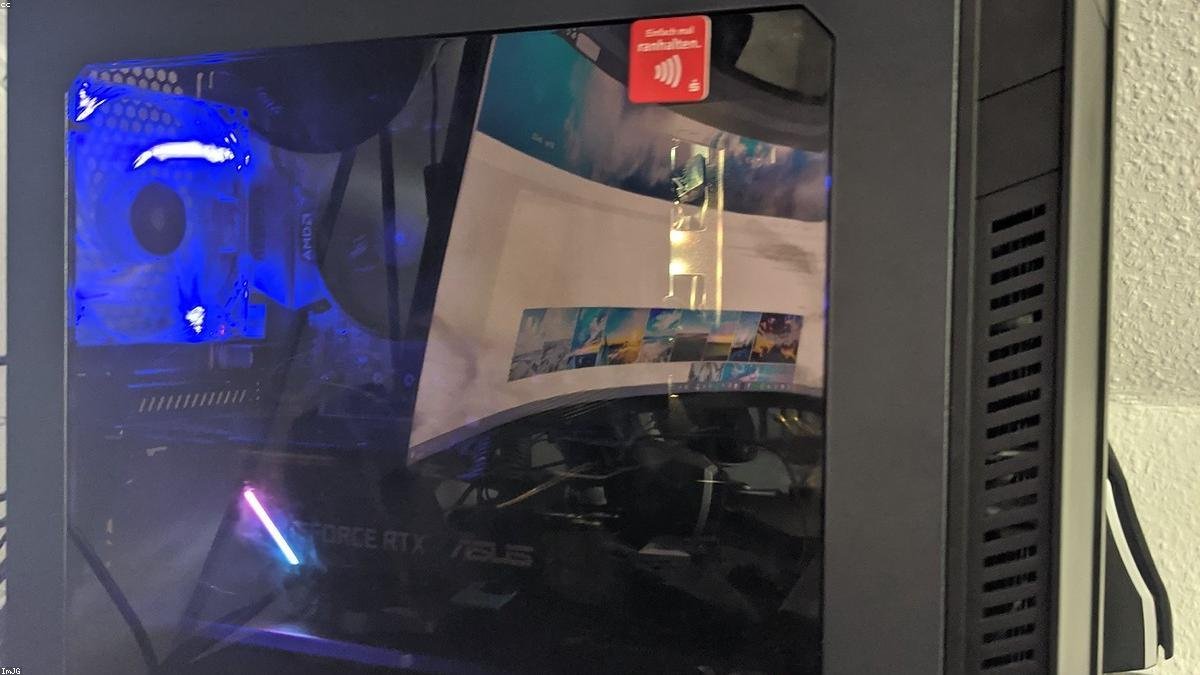
The hardware requirements for a school esports program are far more modest than most administrators fear. A dedicated gaming computer with a dedicated GPU (NVIDIA GeForce RTX 3060 or AMD Radeon RX 6600), 16GB RAM, and a solid-state drive is sufficient for most competitive titles. Many schools repurpose existing computer lab machines by upgrading graphics cards and RAM, cutting initial costs by 40-50%. Headsets with noise-canceling microphones, high-DPI gaming mice, and mechanical keyboards are the next priority. A budget of $1,500 per station is a realistic starting point.
Software-wise, you need the game titles, a communication platform (Discord is the industry standard), and a tournament management tool like Battlefy or Challonge. For streaming and scrimmages, OBS Studio is free and powerful. Schools should also install parental control and monitoring software--such as NetRef or GoGuardian--to ensure safe online behavior. An enterprise-grade router with QoS (Quality of Service) settings is critical to minimize latency during matches. A 100 Mbps dedicated internet connection is the minimum recommended bandwidth for a team of six players.
How can schools fund an esports program?
Funding an esports program does not require a massive budget line item. Many schools start with zero-dollars by leveraging existing technology and applying for grants. The National Esports Association offers the "Game On" grant program, which provides up to $5,000 for new school programs. Additionally, the VEX Robotics competition often overlaps with esports; schools can cross-apply for STEM grants from organizations like the Toshiba America Foundation or the NEA Foundation.
Sponsorships from local businesses are another reliable source. A local internet service provider might donate a router; a gaming café could supply peripherals in exchange for branding on team jerseys. Crowdfunding platforms like DonorsChoose have funded over 2,000 school esports programs since 2022, with an average campaign raising $3,200. Student-led fundraising--such as hosting a community gaming tournament with a $10 entry fee--can also generate seed money while generating excitement.
What are the best esports games for K-12 schools?
Choosing the right game is crucial for age-appropriateness, skill level, and spectator appeal. For elementary and middle school, "Rocket League" (soccer with rocket-powered cars) is a clear favorite--it's rated E for Everyone, teaches physics concepts, and has a thriving school league. "Brawlhalla" (a platform fighter similar to Super Smash Bros.) is another E-rated option that supports up to eight players locally.
For high school, "League of Legends" and "Valorant" are the most popular titles in the High School Esports League (HSEL). Both require strategic teamwork, communication, and quick reflexes. However, they are rated T for Teen (13+). Schools must obtain parental permission and implement chat filters. "Overwatch 2" also has a strong school presence, with built-in role-based teamwork that mirrors real-world project management. "Fortnite" remains an option, but its building mechanics can create steep skill gaps; some schools use "Fortnite Creative" mode for team-based problem-solving challenges instead of battle royale.
It's wise to start with one or two titles and expand based on student interest. Rotating games each semester keeps the program fresh and gives more students a chance to compete.
How do you ensure esports programs are inclusive and safe?
Inclusivity starts with culture. Require all participants to sign a code of conduct that explicitly bans harassment, hate speech, and cheating. Enforce a "two-strike" policy: a verbal warning on first offense, and removal from the team on the second. Create roles beyond the player roster--streamers, analysts, shoutcasters, graphic designers--so students who aren't top-fraggers still feel valued. Girls in Gaming outreach programs can help address the gender gap; many schools host girls-only practice nights to build confidence.
Safety means cybersecurity and mental health. Install screen-time limits (e.g., 10 hours of practice per week maximum for high school) and require regular breaks. Collaborate with the school counselor to educate students on esports burnout and healthy sleep hygiene. Use platforms like Discord with moderation bots (e.g., MEE6) to automatically filter offensive language. Parents should be invited to info nights where they learn about the program's structure, the games being played, and how their child's data is protected. By building a transparent, values-driven program, schools turn esports from a potential distraction into a powerful engine for student growth.